
Trailblazer Lecture 
The Trailblazer Lecture celebrates a scientist whose work has advanced beyond early-career recognition. It shines a light on a rising leader whose trajectory points unmistakably toward lasting impact and excellence at the highest level:
DAVID SHACKELFORD, Los Angeles
Professor of Medicine at the Department of Pulmonary & Critical Care Medicine at UCLA and Head of the Shackelford Lab
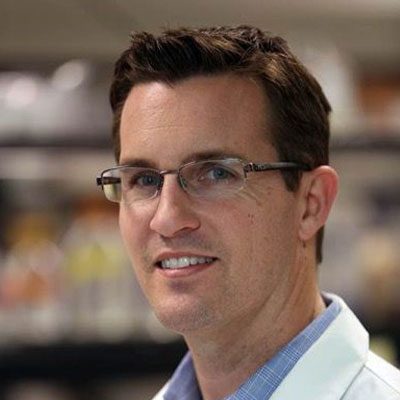
Professor David Shackelford earned his bachelor’s degree at UC San Diego. He then moved to Brandeis University Massachusetts for his doctoral studies and earned a Ph.D in Molecular Biology. David’s postdoctoral training was at the Salk Institute for Biological Studies, after which in 2011, he set up the Shackelford Lab at the UCLA David Geffen School of Medicine.
The Shackelford Lab focuses on uncovering the molecular and metabolic mechanisms driving lung carcinogenesis. The laboratory is actively identifying and validating new personalized metabolic based therapies to treat lung cancer centered around the unique molecular and metabolic signature each tumor possesses.
MOLLY STEVENS, Oxford
John Black Professor of Bionanoscience at the University of Oxford, Deputy Director of the Kavli Institute for NanoScience Discovery and Head of the Stevens Group
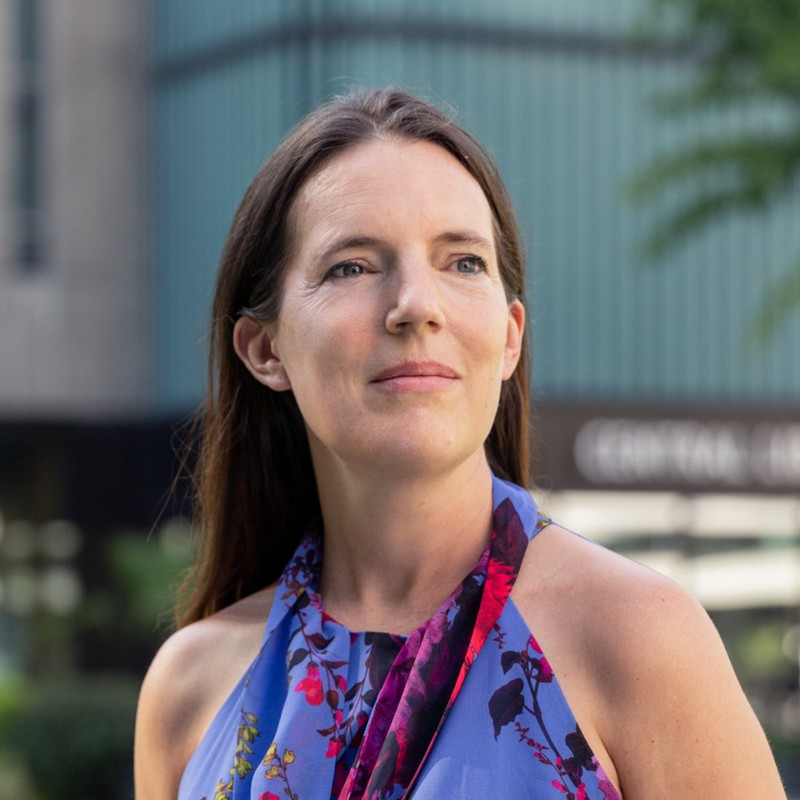
Professor Dame Molly Stevens graduated with a BPharm degree from Bath University in 1995 and a PhD from the Laboratory of Biophysics and Surface Analysis at the University of Nottingham in 2001. After postdoctoral research at the Langer group in MIT, she joined Imperial College London in 2004 as a lecturer and was promoted to Professor in 2008. In 2023, Molly was appointed John Black Professor of Bionanoscience at the Institute for Biomedical Engineering and the Department of Physiology, Anatomy & Genetics at the University of Oxford, and Deputy Director of the Kavli Institute for Nanoscience Discovery.
The Stevens Group uses bioengineering approaches to pursue their vision of solving key problems in regenerative medicine, biosensing and therapeutics. Their biomaterials innovations are also applied to soft robotics, and the interface between living and non-living matter, and are underpinned by collaborations with molecular dynamics experts and data scientists in the digital health field.
PÉTER HORVÁTH, Szeged/Munich
Principal Investigator at the Institute for AI for Health, Helmholtz Munich, State Secretary for Science Policy and Innovation, Hungary & Director of the Institute of Biochemistry, Szeged

Professor Peter Horvath received his M.Sc. in Software Engineering at the University of Szeged, Hungary and his Ph.D. in Digital Image Analysis at Sophia Antipolis, France. He has lectured at ETH Zurich and is a Distinguished Professor Fellow at the Institute for Molecular Medicine in Finland. Since 2019 he has been the Director of the Institute of Biochemistry at the Biological Research Centre in Szeged. Moreover, Peter is currently Senior Researcher at the Institute for AI for Health, Helmholtz Munich and was recently appointed State Secretary for Science Policy and Innovation by the newly formed Hungarian government.
Peter’s Research Groups are dedicated to finding computational solutions to biological problems with an emphasis on understanding processes at a single cell level. Their research focuses on the intersection of biology, engineering and computer science, and combines wet-lab and light microscopy with image analysis and machine learning methods.
Basic Timeline
- 29 Sep. 2026 | Opening Abstract Submission
- End of Oct. | Opening of Registration
- 12 Nov. | Abstract Submission Deadline
- 4 Jan. 2027 | Notification to Presenters
- 13 Jan. | Early Bird Registration Deadline
- 29 Jan. | Withdraw Deadline